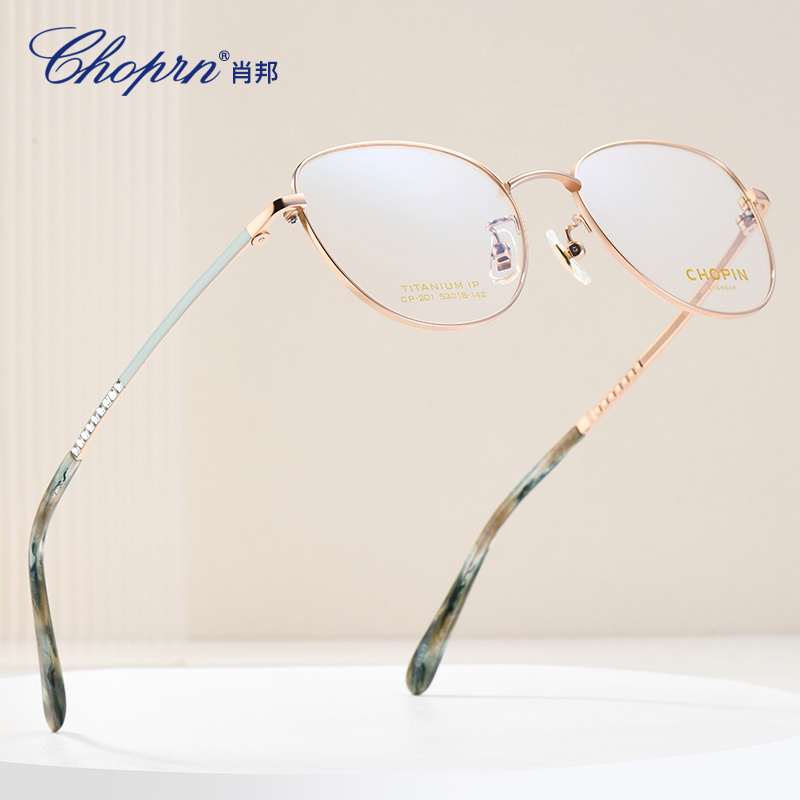
“Titanium frame” can describe different material combinations. A buyer should not treat pure titanium, beta titanium, and a mixed-material construction as interchangeable. The approved specification must identify the material by component.
What to confirm before sampling
- Frame construction: full rim, half rim, or rimless; target size; bridge; temple; hinge; nose-pad system; and lens requirement.
- Material by component: front, bridge, end piece, temple, hinge, screw, and decorative part.
- Source document: the material sheet or other agreed evidence that will accompany the project.
- Surface and colour: finish reference, colour limit, logo method, and the surfaces where tooling or handling marks are unacceptable.
- Sample checks: symmetry, hinge movement, temple opening, solder or connection appearance where applicable, nose-pad alignment, dimensions, and overall fit.
- Mass-production gate: the exact sample, drawing, colour reference, packaging, inspection checklist, and change-control rule that must be approved before production.
How we describe our current capability
Shanghai Chihao Optics Co., Ltd. receives and coordinates titanium-frame project enquiries through its Danyang operation. Company evidence E072 supports the owner-confirmed capability statement at a general category level. It is not a model-level material certificate, a continuous production record, or proof that every process is performed in-house.
Our public evidence set does not yet include a dedicated pure-titanium material certificate or a pure-titanium test report tied to a specific model. We will not use a product photo, an engraved word, or a category name as a substitute. For any live project, the material requirement and the documents to be supplied must be agreed in writing.
That boundary protects both sides: the buyer knows what is being ordered, and the supplier knows what must be demonstrated.